
Specializing in Trauma Recovery, Anxiety, Depression and Perinatal Mental Health
Anxiety
If you find yourself worrying about too many things (maybe everything?), second guessing yourself and your decisions, restlessness or fatigue, you may be showing signs of anxiety. For Black folks and people of color, anxiety is also shaped by the very real weight of navigating systems and spaces not designed with you in mind. That context belongs here.
In our work together, we don't just manage symptoms. We explore what your body and mind are trying to protect you from, build tools to regulate your nervous system, and work toward a life where you feel grounded. We aim to transition to a space of expanding capacity, not just functioning. You are allowed to feel at ease.
Depression

North Carolina Therapists

When we think of depression, we often picture feeling sad, down, and hopeless. Depression can look like this, but it also looks like disconnection, grief, numbness, or feelings that you struggle to name. Thoughts of failure, perfectionism, self-criticism, and suicidal thoughts may contribute to some of those feelings.
Together, we'll work to understand what's underneath, reconnect with your sense of self, and move toward a life that actually feels like yours again. You are not your diagnosis, and you are not broken. You are someone who has been carrying a lot, and the load can get heavy. If you're thinking about sharing the load with someone, you're welcome here. Talk therapy, alongside other integrated approaches, can support you as you work towards your goals.
Post-traumatic Stress Disorder
Trauma can reshape how you experience the world. After trauma, it is normal to notice an increased sense of awareness of your surroundings. You may be scanning for threats or "waiting for the next bomb to drop" at all times. Common reactions after trauma including difficulty with trust, intimacy, power, control, and self-esteem. You may also notice Sometimes ordinary moments feel dangerous and safety feels out of reach.
Trauma doesn't always begin with a single event in your own lifetime. Intergenerational trauma is a term used to describe unprocessed pain, survival patterns, and wounds are passed down through families and communities. This trauma lives in our bodies long before we can identify or describe it. For many Black and Brown individuals, this trauma is stored in our bodies and activated by the ongoing trauma of racism, systemic harm, and emotional labor of surviving the present day landscape and political climate.
PTSD is the nervous system's response to experiences that feel threatening, and it is often an automatic response - not a chosen one. Your response makes sense given what you, and those before you, have carried.
Using evidence-based approaches including EMDR (Eye Movement Desensitization and Reprocessing), Cognitive Processing Therapy, and somatic tools, we work at your pace toward processing what happened and how it's impacting you today. We collaborate to position you in a place of control, not your experiences. This is work is both personal and ancestral.

Domestic Violence & Unhealthy Relationships
Recognizing that a relationship is harmful, and finding a way forward, is one of the most courageous and scary things a person can do. Whether you're still navigating a difficult situation, processing one you've left, or trying to understand patterns that keep showing up in your relationships - there is space for you here. Domestic violence is not always loud or obvious, and it's also not just the picture we see in movies. It includes who makes the decisions, who controls the money, who determines when you leave the house or who you're allowed talk to. When we look closely, we also see a cycle that includes tension building, a big fight or explosion, reconciliation (the apologies, affection, promises), and then the calm after the storm. This cycle can be confusing to navigate and can bring on grief, guilt, shame, and stress. Naming this cycle doesn't make it easier, but it helps to understand what is happening so we can explore our options for establishing safety.
Unhealthy relationships includes domestic violence, however, it also includes the relationships with our caregivers and other trusted adults throughout our lives. The relationships we witnessed and experienced in childhood serve as the blueprint for how we navigate relationships in adulthood. If our caregivers taught us that love feels unpredictable, we may hold on to habits or people that no longer serve us even when it hurts.
We can work together to explore the impact of intimate partner violence and relational harm on your sense of identity, safety, and trust. We'll work toward clarity, healthy boundaries, and a deeper understanding of what you need (dare I say, what you deserve). You are worthy of relationships that feel safe. That work starts here.
Sexual Trauma
Sexual trauma, whether recent or years in the past, can reshape how you relate to your body, your sense of safety, and your ability to trust yourself and others. The impact is real, even when it's hard to name. It also normal if you don't want to name it all. A common response is to avoid talking about it, and that makes sense - especially when our society and culture has given you many reasons to feel unsafe speaking out and seeking support.
Sexual trauma is not limited to physical assault or acts. It encompasses any experience in which your body, boundaries, or sexuality were violated without your full consent. This includes verbal coercion, unwanted touching, exposure, manipulation, exploitation, and experiences that left you feeling unsafe, ashamed, or powerless in your own body. If it harmed you, it counts.
What happened to you matters.
Healing is possible, and it happens entirely at your pace. Using EMDR, Cognitive Processing Therapy, and body-centered somatic approaches, we work gently and collaboratively toward reclaiming a sense of wholeness. There is no rush here. You are more than your trauma, and this space will always reflect that.


Perinatal & Postpartum Mental Health
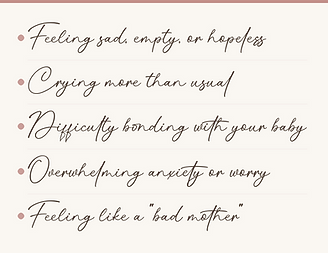
The journey into and through parenthood can be profound, disorienting, joyful, and harder than most can describe. Perinatal and postpartum anxiety, depression, and grief are normal. Quite common, actually. They are not a reflection of your love for your child or your capacity as a birthing person. You are not failing. You are in need of support, and that support is available if you choose to seek it here.
This space is for the full reality of your experience: the parts you feel like you can say out loud, and the ones you haven't yet. Whether you're pregnant, newly postpartum, or still processing a birth experience from months ago, you deserve care that honors both the weight and the wonder of this season. I hope to speak with you soon.
Coming soon: India is currently pursuing her perinatal mental health certification. Additional specialized resources will be available soon.